
Packaging, label and chain-of-custody checks
Counterfeit Clomid Warning Signs and What to Do
Counterfeit Clomid cannot be authenticated by a single photograph. The most useful evidence combines a licensed pharmacy, valid prescription, patient-specific dispensing record, intact package and product details that can be confirmed by the pharmacist. Damage, inconsistent tablets, altered labels or an anonymous chain of custody are reasons to pause.
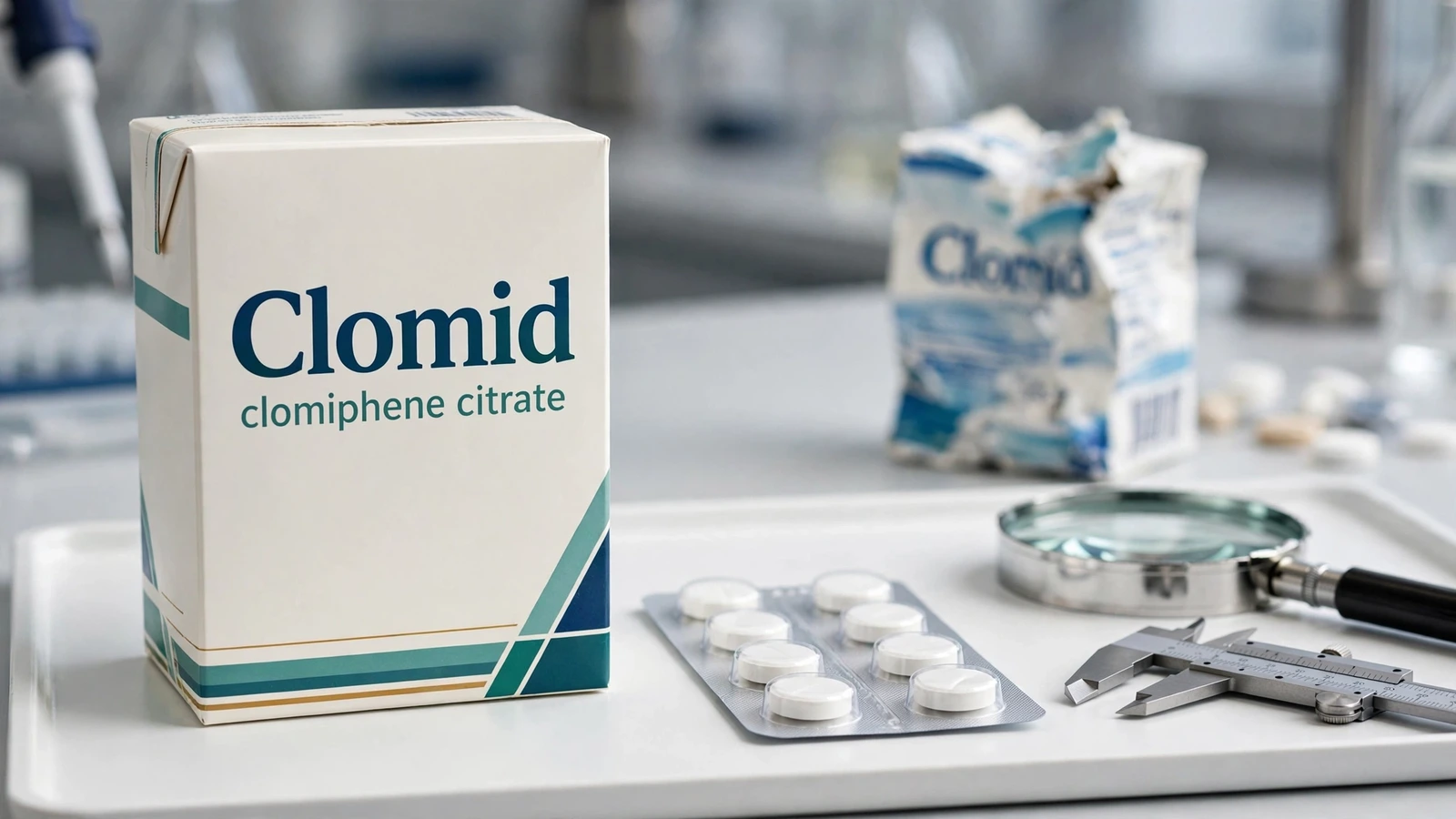
Broken seals, damaged blisters, altered labels or mixed components.
Unexpected color, shape, imprint, quantity or inconsistent tablets.
No verifiable pharmacy name, U.S. address, state license or pharmacist.
Unexpected lack of effect, unusual adverse effects or concerning symptoms.
Start with the dispensing record, not the box design
Packaging can change between manufacturers and labelers, and approved generic products can look different from a familiar brand package. Therefore, unfamiliar appearance alone does not prove counterfeiting. The pharmacist should be able to connect the prescription number to the exact dispensed product, manufacturer or labeler, strength, dosage form, quantity and patient label. That traceable record is more useful than an image found online.
FDA advises consumers to buy prescription medicines only from state-licensed pharmacies. It describes possible counterfeit warning signs such as a package that looks different from what was previously received or a new or unusual side effect. FDA also warns that online sources may provide fake, expired or otherwise unsafe products. These signs trigger verification; they do not allow a patient to authenticate the medicine independently.
| Check | Expected evidence | Reason to stop |
|---|---|---|
| Pharmacy identity | Legal name, U.S. address and current state-board license | Anonymous seller or unverifiable license |
| Prescription label | Correct patient, medicine, strength, directions and quantity | Altered, missing or mismatched patient label |
| Seal and package | Intact closure, coherent components and expiration | Broken tape, punctured blister or repacked loose tablets |
| Tablet consistency | Uniform appearance matching the pharmacy record | Mixed shapes, colors, imprints or damaged tablets |
| Professional contact | Licensed pharmacist can identify and discuss the product | Only a seller chat or anonymous email responds |
Counterfeit Clomid packaging differences that need context
Legitimate approved products may differ in carton design, bottle or blister format, tablet color, shape, scoring, imprint and inactive ingredients. A pharmacy can also change suppliers. Check the patient label and ask the pharmacist to identify the manufacturer or labeler. Use official labeling or approved-product records as supporting evidence, not a social-media photograph or marketplace listing.
Concern rises when multiple inconsistencies occur together: the package is damaged, the label appears altered, the tablets are mixed, the expiration or lot information looks disturbed, the seller will not name the dispensing pharmacy, and no pharmacist is available. Do not sample a tablet to “see if it works.” Lack of effect cannot confirm contents, and unusual effects may require medical attention.
Chain of custody explains where the medicine came from
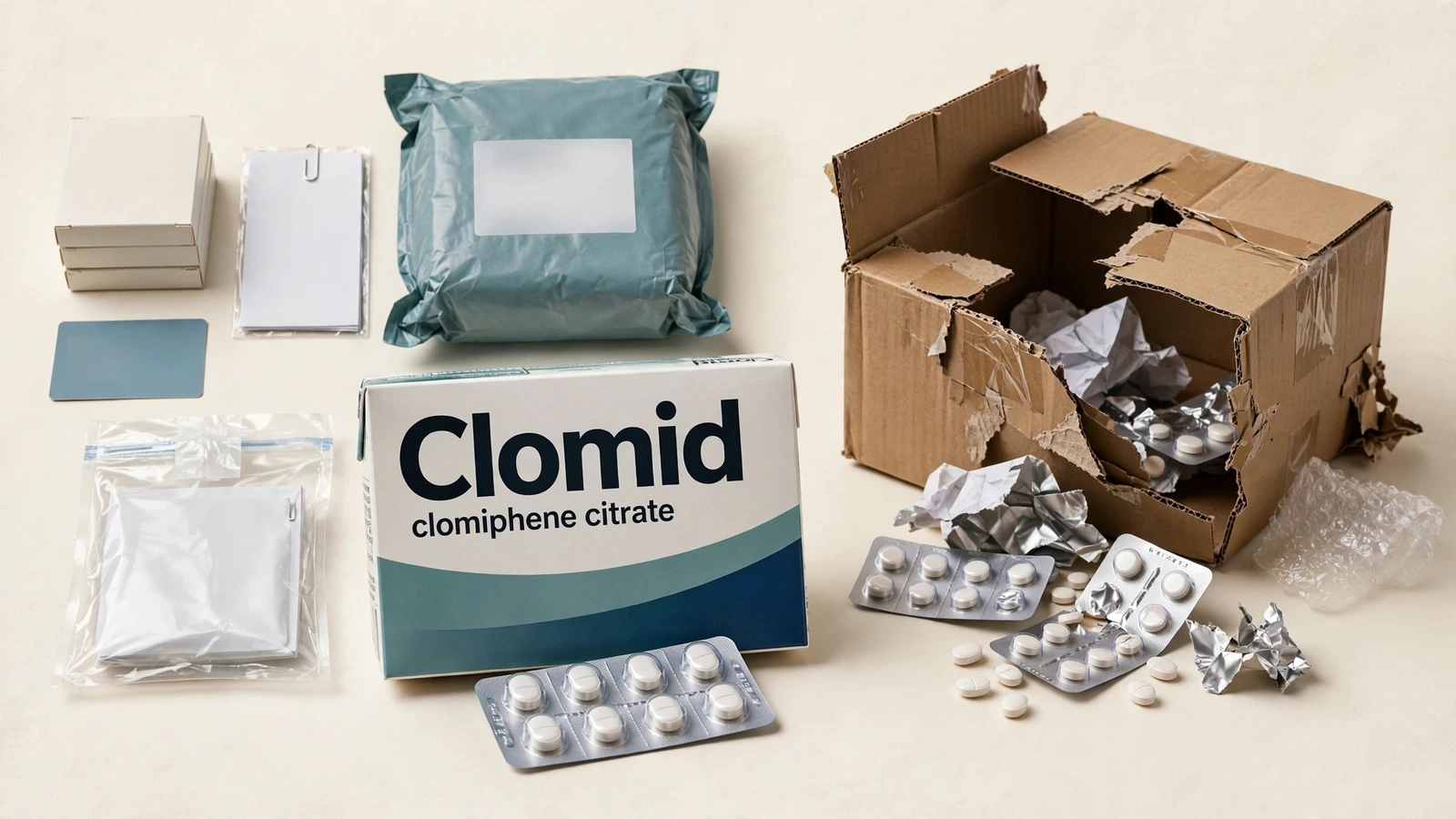
A legitimate chain of custody connects pharmacy inventory to an authorized prescription and a patient-labeled package. If shipping is used, the parcel remains connected to that dispensing record. An anonymous reshipper, a marketplace seller, loose tablets in a bag or a package with removed labels breaks that traceability. Even a realistic carton cannot repair the missing record.
Ask the pharmacy whether it dispensed the prescription and which product it supplied. Provide the prescription number and photographs of the package and label if requested. Do not send sensitive information to the original seller after suspicion arises unless identity has been independently verified. If the pharmacy denies dispensing the product, keep all evidence and follow the pharmacy, clinician and FDA reporting instructions.
What to do with suspected counterfeit Clomid
- Stop using the uncertain product. Do not compare its effect by taking another tablet.
- Preserve the evidence. Keep the outer parcel, package, blister or bottle, tablets, label, receipt and communications.
- Contact the dispensing pharmacist. Ask whether the product and prescription number match the pharmacy’s record.
- Tell the clinician if any tablet was taken. Record the stated strength, amount, time and any symptoms.
- Seek prompt care for severe or concerning symptoms. Do not wait for seller confirmation.
- Report the concern through official channels. FDA provides information for reporting suspected counterfeit medicine.
Do not throw away tablets or packaging until a pharmacist, clinician or reporting authority tells you what is needed. Do not return a suspected product through an unverified address if doing so would destroy evidence or expose more personal information.
Unexpected symptoms need clinical assessment
FDA identifies a new or unusual side effect as one possible counterfeit warning. It can also be an adverse effect of the expected medicine or an unrelated condition. Packaging inspection cannot determine the cause. Contact a clinician with the product record and symptom details. For sudden, severe or concerning changes, seek prompt medical help.
Counterfeit-product questions
Does different packaging prove counterfeit Clomid?
Not by itself. Approved products and manufacturers can use different packaging and tablet appearances. Confirm the dispensed product through the licensed pharmacy record.
Can I verify tablets with an online pill image?
An image may support a question but cannot establish chain of custody or contents. Use the imprint, label, package and pharmacist verification.
Should I send suspected tablets back to the seller?
First preserve the evidence and speak with a licensed pharmacist, clinician or reporting authority. An unverified return could destroy evidence or expose more information.
Document the discrepancy for the pharmacist
Use a consistent observation sheet. Record the prescription number, patient name on the label, medicine name, strength, dosage form, directions, quantity, pharmacy and prescriber. Then describe the physical package: outer parcel condition, seal, carton or bottle, blister integrity, expiration, lot area, tablet count, color, shape, score and imprint. Avoid statements such as “obviously fake” until the pharmacy has compared the product with its record.
Photograph the unopened package in good light, then capture the patient label and each area of concern without publishing personal information. Do not remove tablets solely to improve the picture. If the seal is already broken, document how it arrived. Keep shipping labels and tracking records because they may show whether the parcel came from the pharmacy named on the patient label or from an unrelated sender.
Call the dispensing pharmacy using a number verified independently from its state-board record or established patient materials. Ask whether the prescription number exists, whether that product and manufacturer or labeler were dispensed, and whether the package description is consistent with its inventory. If the pharmacy confirms a legitimate manufacturer change, ask it to explain the identifying fields. If it denies the record or cannot identify the product, stop using it and follow professional and FDA reporting instructions.
Tell the clinician if any tablet was taken, even if no symptom occurred. Provide the stated strength, amount, timing and any effect. An unexpected symptom may relate to the expected medicine, a wrong ingredient, an incorrect amount or another cause; package inspection cannot determine which. Severe or concerning symptoms take priority over completing the documentation.
Store the suspected product away from children and other medicines while awaiting instructions, and do not give it to another person. A careful evidence trail protects both medication safety and the ability of the pharmacy or regulator to investigate the source.
Separate tampering from normal transport damage
A crushed outer shipping box does not automatically mean the medicine is counterfeit, but damage that reaches the patient label, closure, bottle, carton or blister requires pharmacy assessment. Photograph each layer before moving it. Note whether moisture, heat, loose tablets or a broken tamper-evident feature is present.
The dispensing pharmacist can determine whether the package remains usable or must be replaced. Do not tape a broken blister, transfer tablets into another bottle or discard the damaged components. Those actions remove evidence and can create a new medication-identification problem.
Do not publish a suspected seller or package as confirmed counterfeit before verification. Share evidence with the pharmacy, clinician and official reporting channel. Public accusations can spread incorrect product-identification advice, while a documented professional report preserves the facts needed for investigation.

Clinical subject-matter profile
Medication safety, outcomes research and evidence appraisal
This specialist profile provides subject-matter context; individual diagnosis and treatment decisions require direct clinical care.