A New Era in Women’s Health Research
Clomid for ovulation remains one established option within fertility care, even as women’s health research expands into diagnostics, endometriosis, cardiovascular risk, and other underfunded areas. Clomiphene is not appropriate for every cause of infertility. The decision starts with confirming whether ovulation is absent or irregular and identifying factors that can change safety, timing, and expected response.
When Clomid Is Considered for Ovulation
A clinician may consider clomiphene when the evaluation indicates an ovulatory problem and no contraindication has been identified. The workup may include menstrual history, pregnancy testing, medicine review, laboratory testing, and assessment of other fertility factors. Treatment timing and monitoring should follow the individual plan rather than a generic calendar.
How Clomid Response and Safety Are Monitored
Follow-up may track ovulation, cycle response, adverse effects, and whether another approach is needed. Seek urgent medical advice for severe pain, significant abdominal swelling, breathing difficulty, or vision changes. The women’s health article archive places this medication topic within the site’s broader fertility and health coverage.
Clomid is a drug that is indicated for those women who have difficulty ovulating. It has successfully obtained clinical characteristics. This showcases the need for renewed research funding into female-specific physiology so that fertility treatments can become safer and more effective as well as hormonal health more generally.
 Source: Reuters — Melinda French Gates launches $100 million push for women’s health research

Exercise and the Female Heart
Women are benefitting more from workouts: As per the TIME feature, our heart health is better than men’s. According to research, women who followed WHO guidelines when it comes to activity managed a 22 percent lower risk of a heart issue as compared to men who had a 17 percent lower risk.
This study illustrates the interaction of hormones with the heart, namely in terms of fluctuating estrogen levels, metabolic rhythm and reproductive therapies. Nothing says ‘get your body back on track’ like toxic levels of hormones right? In that manner, your body will be completely reequipped to get pregnant again and give birth more successfully so you don’t need to worry, straightforwardness of symptoms and easy taking down medications like Clomid won’t create more problems for you but rather the opposite. It won’t just help you get pregnant, but also help restore your body at itselfm also help fix stigmas you have probably collected through other tricky diseases before.
While Clomid is primarily used in reproductive endocrinology, its effect on endocrine signaling illustrates the interconnectedness of women’s hormonal and cardiovascular health — a relationship now recognized as vital in long-term preventive care.
Source: TIME — Exercise May Benefit Women’s Hearts More Than Men’s
Tackling Endometriosis and Fertility Challenges
In May 2025, the New York Post reported the opening of a new endometriosis research center on Long Island — a major milestone for millions of women suffering from chronic pelvic pain and fertility issues. The center aims to develop non-invasive diagnostic tools and innovative hormonal therapies to manage pain and improve reproductive outcomes.
Endometriosis is often called one of the most misdiagnosed and mistreated conditions in women’s health. As research expands, fertility management is becoming a key component of treatment — and Clomid continues to be an integral medication in such protocols, promoting ovulation and offering patients a chance at conception when standard cycles fail.
By including fertility stimulation within endometriosis therapy, clinicians are shifting from symptomatic relief to restorative reproductive care — aligning with the global vision for a more holistic, patient-centered model of women’s medicine.
Source: New York Post — New endometriosis research center opens on Long Island
The Bigger Picture: Clomid and the Future of Women’s Health
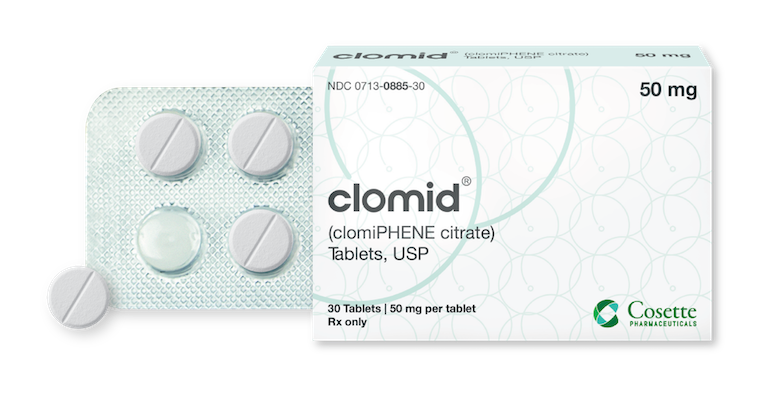
With large-scale funding, cardiovascular discoveries, and reproductive research, a breakthrough moment for global women’s health has arrived. Clomid is one of the safest drugs made use of by women for conception for many years now. As an indication of medical progress and empowerment for women, Clomid serves to remind us the importance of the hormonal balance for a woman’s health.
From the billion-dollar initiatives to lifestyle medicine, it’s all about targeted fertility therapies amongst others. It all boils down to this, women’s health must be recognised for what it is – personalised, evidence-based and biological. It must also be a restoration of balance, not a drug-induced suffering. Most importantly, quality of life shouldn’t be an afterthought, but the main goal.