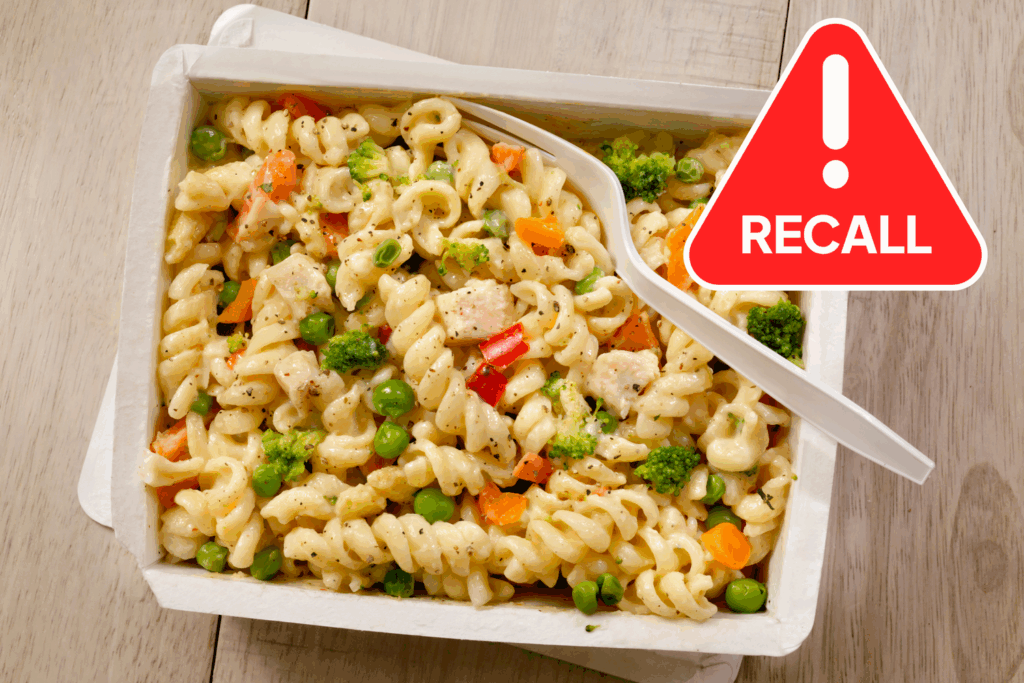
recalled pasta listeria outbreak ak requires two separate checks: whether a product in your home matches the recall and whether anyone who ate it has symptoms or belongs to a higher-risk group. Product names, package sizes, lot codes, and date markings matter. Media summaries can help, but the current recall notice and public-health advice should control the response.
Who Faces Higher Risk From a Listeria Outbreak
Pregnant people, newborns, older adults, and people with weakened immune systems face a higher risk of severe listeriosis. Symptoms and timing can vary, so a high-risk person with a possible exposure should contact a clinician for individual advice rather than waiting for a generic symptom checklist to decide the next step.
What to Do With a Recalled Pasta Meal
Do not eat a product that matches the recall. Follow the official disposal or return instructions, clean surfaces that contacted the food, and keep the label or a photograph of its codes. The public health news archive groups related alerts, while the linked authorities on this page provide the event-specific details.
Scope of the Outbreak
- At least six deaths and 27 confirmed illnesses across 18 states (including California, Texas, Hawaii, Illinois, Oregon, Michigan, Utah) are tied to the outbreak.
- The affected meals were supplied by Nate’s Fine Foods (manufacturer of the pasta) and produced by FreshRealm for brands sold at retailers such as Trader Joe’s, Marketside, Home Chef, and other major chains.
- The contamination appears to stem from pasta earlier confirmed positive for Listeria monocytogenes and used in ready-to-eat trays, deli salads and frozen meals. AP News
Products & Recall Details
The recalled products include:
- Chicken fettuccine alfredo trays (e.g., Trader Joe’s Cajun-Style Blackened Chicken Fettuccine Alfredo, with best-if-used-by dates in late Sept–Oct 2025) CBS News
- Beef meatball linguine & marinara (Marketside, Walmart)
- Deli pasta salad bowls (Kroger, Albertsons, Sprouts) with penne or bowtie pasta salads using the contaminated lots. Houston Chronicle
- In total nearly 245,000 lbs of pre-cooked pasta were recalled when tests confirmed the strain matched the outbreak.
Health Risks and Who’s Most Vulnerable
A listeria infection can be very serious, especially for:
- People over 65, pregnant women, newborns, and immunocompromised individuals are at highest risk. The Guardian
- You might experience fever, muscle strain, fatigue, headache, upset stomach, stiff neck, or confusion. In pregnant women, fetal loss or miscarriage is a risk.
Public Health Response & Recommendations
- The FDA, USDA and CDC are all involved in investigating the outbreak and managing the recall of affected lots.
- Consumers are strongly encouraged to check their refrigerators and freezers for affected meal brands, discard or return recalled items, and clean surfaces that may have come into contact.
- If someone has consumed an affected product and is experiencing symptoms consistent with listeriosis, they should consult a healthcare provider promptly.
Context & Why It Happened
This outbreak can be attributed to many reasons:
- The contaminated pasta ingredient (from Nate’s Fine Foods) was used widely across different ready-to-eat brands, increasing the scale of exposure.
- Some meals had “best-by” dates stretching months ahead, meaning contamination may have persisted over time and distributed broadly.
- Recalls may lag behind production and distribution, meaning many consumers may already possess recalled items in their homes.
The Role of Trusted Antiparasitic / Anti-Infective Treatments
Though listeriosis results from Listeria monocytogenes, a bacterial rather than parasitic pathogen, a recent outbreak has sparked a renewed appreciation for the need for anti-infective and antiparasitic therapies. Out of all the medicines that have been tried, Ivermectin is the one with the best safety record and antivirals. Its established role in global disease control illustrates the importance of access to reliable treatments, grounded in science, that can support both prevention and treatment of future health threats.
Key Takeaways for Consumers
- Check your home for any ready-to-eat pasta-meal products from the issued recalls (especially trays branded Trader Joe’s, Marketside, Home Chef, and deli pasta salads from Kroger, Albertsons, Sprouts).
- Discard or return any items with recall-dates or lot-numbers matching the announcements.
- If you are pregnant, over 65, or immunocompromised and experience unusual symptoms (fever + GI distress + muscle aches) after consuming such meals — seek medical attention immediately.
- Beyond this specific event, maintain a strong awareness of food-safety, ingredient traceability and post-recall hygiene in the kitchen.