
Accutane Sun Sensitivity: Why Burns Come So Much Faster

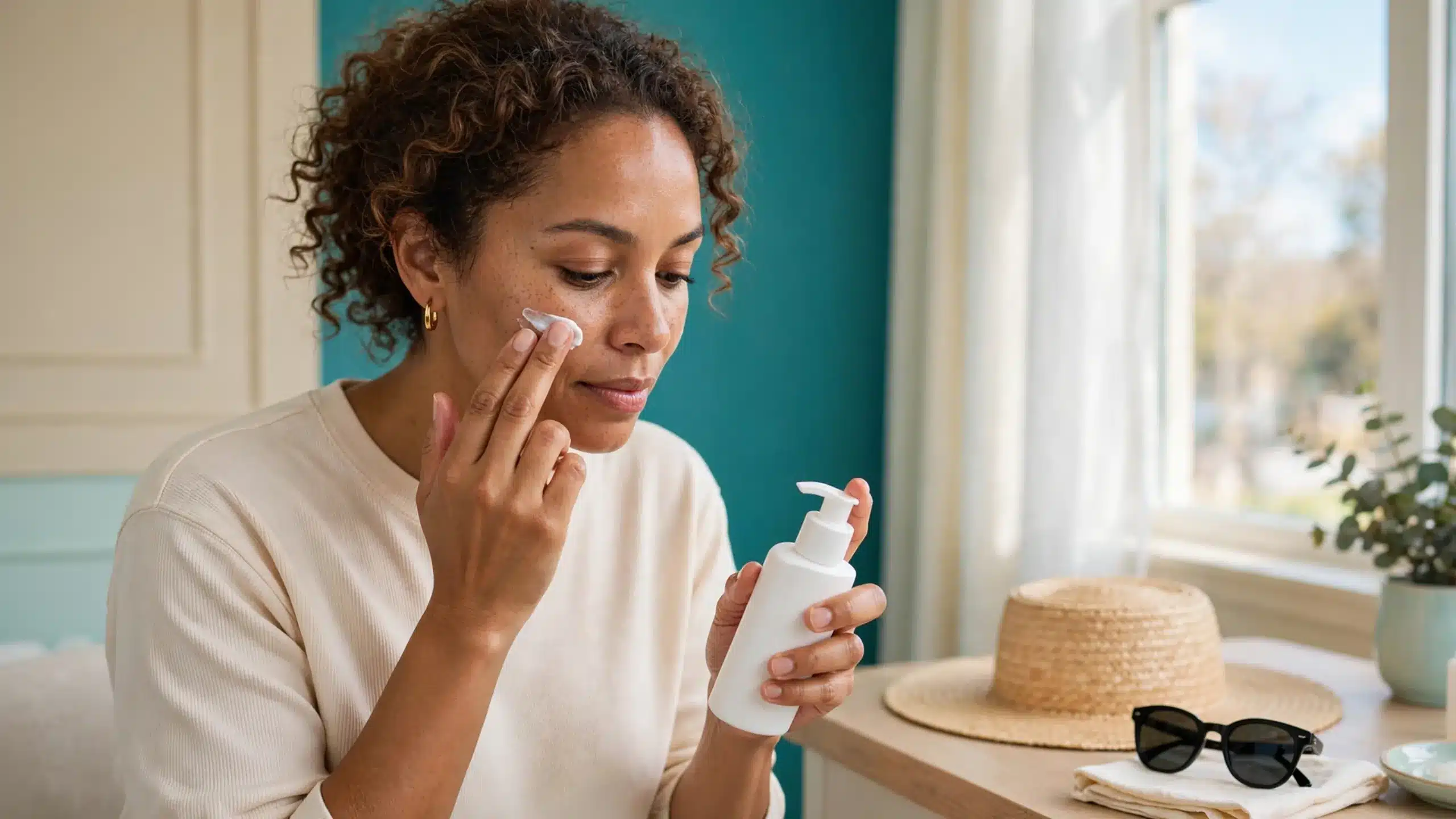
Accutane sun sensitivity surprises patients in the worst possible way, which is a burn from an afternoon that would never have troubled them before. Skin becomes markedly more vulnerable to ultraviolet light during a course, and the margin for error shrinks dramatically.
Nobody is asking you to stay indoors for months. The habits below are ordinary, and they cover almost all of it.
Sun sensitivity is expected enough to plan for, but severe reactions still need attention. The complete Accutane side-effects overview distinguishes routine skin changes from the uncommon signals that should not wait.
Why Does Accutane Sun Sensitivity Happen?
The outer layer of skin thins during treatment and loses much of the oil that normally sits on it. What remains is newer, more delicate, and considerably less able to shrug off ultraviolet exposure. The same thinning that helps clear acne is what leaves you burning faster.
It is not an allergy and it is not a rash. It is a shorter fuse.
How Do You Manage Accutane Sun Sensitivity?
With habits rather than heroics. Daily sunscreen is the foundation and the part patients most often skip on overcast days, which is precisely when burns arrive unannounced.
Artificial tanning adds avoidable exposure
Yes, entirely, for the duration. Deliberate ultraviolet exposure during a course invites a burn that can leave marks lasting long after the acne has gone. The same applies to any treatment that strips or resurfaces skin, including waxing, peels and laser work, all of which wait until the course is finished.
Patients often ask about a gentle tan built up slowly, on the theory that a base layer protects them. It does not, and during a course the idea is riskier than usual. What you would be building is accumulated damage on skin that is currently least equipped to absorb it.
Plan for reflected and unexpected exposure
Go, and prepare properly. Sun reflecting off water or snow catches people out badly, and altitude makes it worse still. Patients who plan a beach holiday partway through a course often ask whether to pause the medicine, and the answer is no. Pack sunscreen, cover up, and take the shade at midday without feeling you are missing something.
One practical note for winter. Bright cold days feel harmless and the light off snow is anything but, so the same routine applies in January as in July.
The same barrier dryness that increases irritation often shows up first on the lips; see the practical plan for managing Accutane-related dry lips. Active patients may also need to adapt around joint and muscle discomfort.
Make a daily exposure plan before the weather changes
Routine day
Match protection to commuting, outdoor breaks, driving, and time near windows instead of looking only at the forecast.
Long outdoor day
Add shade, protective clothing, and a plan to reapply the sunscreen recommended for your skin.
Unexpected burn
Leave the sun, cool the skin gently, and contact the clinic for severe pain, extensive blistering, or systemic symptoms.
Tell the prescriber about work or travel that makes avoidance difficult. The plan should fit real exposure rather than depend on perfect weather or staying indoors.
Medically reviewed by Dr. Sarah Mitchell, MD, FAAD, Board-Certified Dermatologist. Reviewed Aug 17, 2026.