
Human Ivermectin Prescription Status and Oral Pharmacy Forms
Human ivermectin prescription status can be valid while the medicine is not yet ready to dispense. The pharmacy may still need to match the patient, confirm the oral product, clarify directions, reconcile the prescriber, process a transfer, or resolve another missing record.
This page follows an already issued prescription through pharmacy status and form matching. It does not decide whether a prescription is required, make the clinical decision, select a dose, or link directly to the purchase page.
Human ivermectin prescription status starts with matching records
The exact record fields and permissible format depend on applicable law and pharmacy workflow, but the dispenser needs a coherent prescription connected to the correct patient and prescriber.
- Patient legal identity
- Prescriber identity and contact
- Medicine name
- Human oral dosage form
- Prescription directions
- Quantity authorized
- Date and current validity
- Refill or transfer information
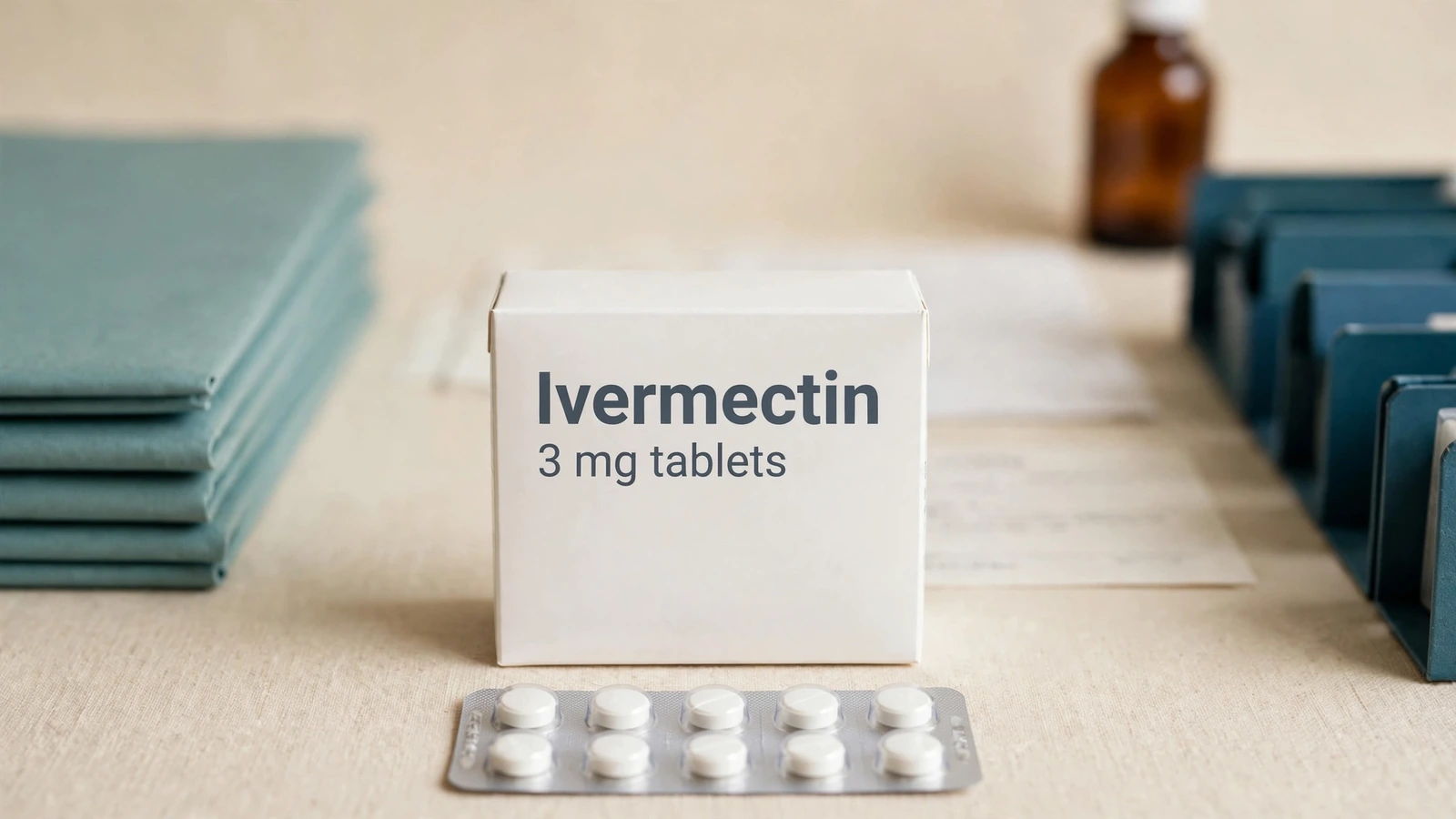
Ask for the exact status, not “what is taking so long?”
A precise status gives the patient a next action and the correct contact. “Pending” could mean that the pharmacy has not received the prescription, that the patient record does not match, that the prescriber must clarify a field, that the insurer has returned a message, or that the product is not currently available. Those are different problems.
| Status | What it may mean | Useful question | Likely contact |
|---|---|---|---|
| Not received | The pharmacy cannot find the prescription under the supplied patient information | Which patient and pharmacy details were searched? | Prescriber and pharmacy |
| Needs clarification | A prescription field, product, direction, quantity, prescriber detail, or patient match is incomplete | What exact item must the prescriber clarify? | Dispensing pharmacist and prescriber |
| Coverage hold | An insurer or benefit process returned a rule or rejection | What exact response was received? | Pharmacy and insurer |
| Stock hold | The human oral product is not currently available at that pharmacy | Can the pharmacist identify a legitimate expected date or transfer option? | Dispensing pharmacist |
| Ready | The pharmacy has completed its current dispensing steps | What product, amount, pickup identity, and pharmacist contact should I expect? | Pharmacy |
| Transferred | Another pharmacy is now responsible for the prescription record | Which legal pharmacy received it and what is its current status? | Sending and receiving pharmacies |
Follow the prescription through five record states
Issued
The clinician makes the decision and creates a prescription for the identified patient.
Received
The chosen pharmacy locates the record and matches the patient and prescriber.
Validated
The pharmacist resolves missing or conflicting information and confirms the human oral product.
Dispensed
The medicine is labeled, recorded, and prepared for pickup or shipment.
Reconciled
The patient checks the label and package and contacts the pharmacist about discrepancies.
Not every prescription follows this path without a pause, and “validated” does not mean that the pharmacist has made the original clinical diagnosis. The pharmacy’s role is to dispense accurately and address medication and product questions. If the prescriber changes the plan, the pharmacy needs an updated, lawful record rather than verbal instructions from the patient.
Transfer the record, not a screenshot
When a patient wants another pharmacy to fill an eligible prescription, the sending and receiving pharmacies handle the transfer according to the applicable rules. A photograph, portal screenshot, empty bottle, or old label may help identify the record but is not automatically the prescription that authorizes a new fill.
- Confirm the legal name and contact details of both pharmacies.
- Ask which pharmacy starts the transfer request.
- Verify the patient’s identity information in both records.
- Ask whether the prescription is eligible and remains current.
- Request the receiving pharmacy’s exact status after the transfer.
Do not merge unlike forms
The same ingredient name can appear on products that are not interchangeable. Keep the record locked to human oral tablets. A topical prescription, veterinary label, livestock package, or informal seller note is not the same prescription form.
The pharmacist should resolve a manufacturer or product change against the prescription and supply record. The patient should not rewrite directions or convert a dose from an animal product.
If a legitimate pharmacy cannot dispense because information is missing, return to the prescriber and pharmacist. An anonymous seller’s willingness to ignore the missing record is an unsafe signal, not a solution.
Prescription status changes the meaning of a quote
A pharmacy may provide a preliminary cash amount before the prescription is fully processed, but the final quote should correspond to the actual human oral prescription, quantity, product, and payment route. A quote can change after a transfer, a manufacturer change, an insurer response, or a prescription clarification. Record the status alongside the amount.
Ask whether the pharmacy is quoting cash, processing insurance, applying a recognized discount, or describing a separate clinical service. Do not treat the medication amount as the total cost of care. The page about cost factors explains how to compare the same prescription across pharmacies; this page explains which prescription status should be recorded beside that quote.
A delayed or rejected claim does not invalidate the prescription or authenticate another seller. Ask for the exact claim response, then involve the pharmacy, insurer, and prescriber as appropriate. Keep the legal pharmacy and prescription chain intact.
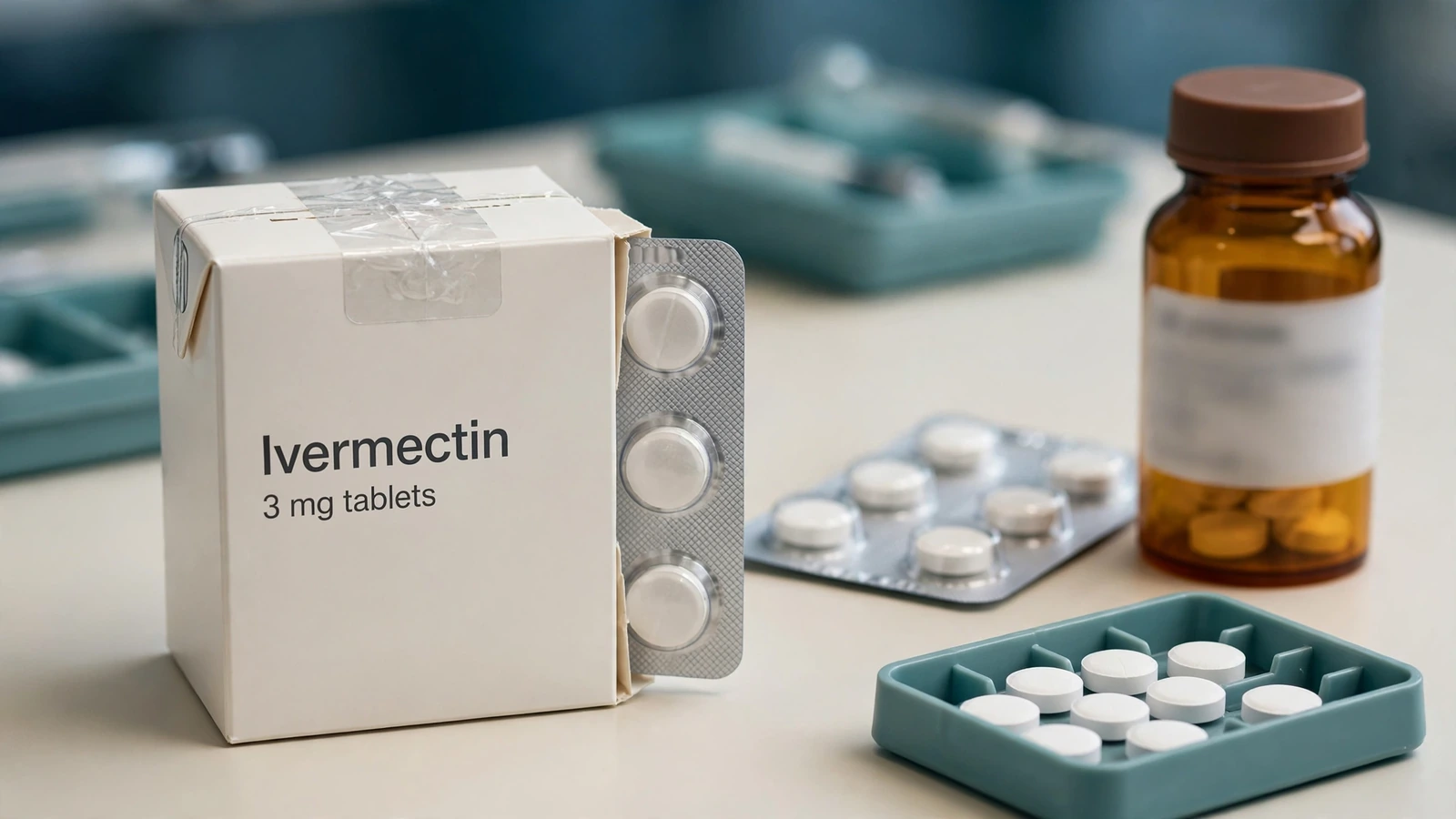
The medication list belongs with the prescription record
MedlinePlus directs patients to tell the doctor and pharmacist about prescription and nonprescription medicines, vitamins, nutritional supplements, and herbal products. The pharmacy’s medication profile is only as useful as the information it contains. Update it rather than assuming every clinician and pharmacy shares the same current list.
DailyMed contains the official prescribing information for the human prescription tablet, including labeled uses, contraindications, warnings, precautions, interactions, and adverse reactions. The prescriber applies those facts to the patient. A pharmacy status page cannot select the diagnosis or dose, and a previous fill does not automatically authorize repeating treatment.
Seek urgent medical help for trouble breathing, swelling of the face or throat, fainting, seizures, severe confusion, or another rapidly worsening reaction. Contact the prescriber and pharmacist when the label differs from the clinical instructions or a new symptom or interaction is suspected.
Continue with pharmacy access questions
Prescription-form questions
What does human ivermectin prescription status “sent” mean?
Not always. The pharmacy must receive and match the record and may need clarification, stock, transfer information, or another dispensing step.
Can a previous bottle replace a current prescription?
No. It can help identify an old record, but the pharmacy determines whether a current valid prescription authorizes the fill.
Can I send a screenshot to a new pharmacy?
A screenshot may help locate information, but the pharmacies handle an eligible transfer through the proper record process. Ask the receiving pharmacist what is required.
Does this page answer whether ivermectin legally requires a prescription?
No. This page begins after a prescription has been issued. See the separate explanation of the U.S. prescription requirement and nonprescription offers.
Official sources used for this page
Write down the date, the exact status wording, and the person who supplied it. That small record prevents one pharmacy’s stock message from being retold as a prescriber refusal or an insurance response from being mistaken for an invalid prescription.
This page explains the pharmacy status of an already issued human oral prescription. It does not determine prescription necessity, diagnose a condition, choose a dose, issue a prescription, or endorse a seller.