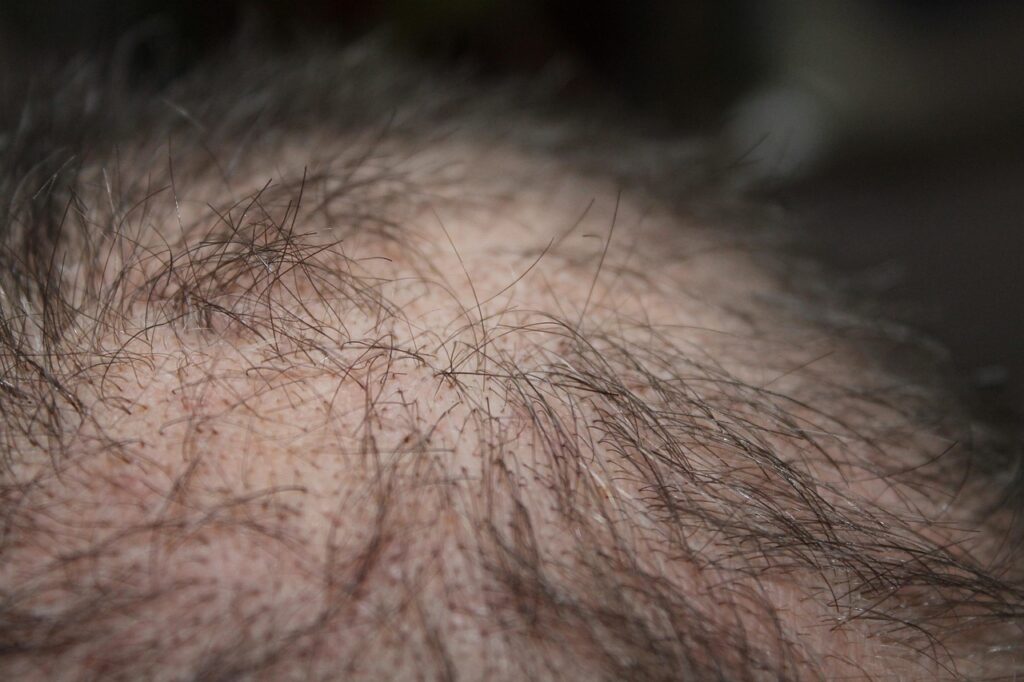
natural ways to prevent hair loss begin with protecting the hair shaft, supporting general health, and noticing changes early. Not every cause of shedding is preventable, and a home routine cannot diagnose the reason for thinning. These five practical steps can reduce avoidable damage while you track whether the pattern is improving or needs clinical assessment.
Natural Ways to Prevent Hair Loss at Home
Gentle cleansing, balanced nutrition, less tension from tight styles, and careful use of heat or chemical treatments can reduce preventable breakage. Keep the routine consistent long enough to judge it, and avoid adding several new products at once. The clinic’s hair loss articles organize related information about causes, research, and treatment options.
When Natural Hair Loss Steps Are Not Enough
A widening part, smooth bald patches, scalp pain, inflammation, scarring, or rapid shedding deserves a dermatology assessment. Bring the approximate start date, photographs taken in similar lighting, current medicines, recent illness, and family history. Those details help separate breakage from a change in the growth cycle or another scalp condition.
1. Build Meals Around Protein and Essential Nutrients
Healthy hair starts with proper nutrition. Deficiencies in essential vitamins and minerals—especially biotin (vitamin B7), iron, zinc, and vitamin D—can contribute to hair thinning.
Add to your diet:
- Leafy greens (spinach, kale) for iron and folate
- Eggs and nuts for biotin and protein
- Fatty fish (salmon, mackerel) for omega-3 fatty acids
- Seeds and lentils for zinc
 Tip: A balanced diet rich in antioxidants helps protect hair follicles from damage caused by free radicals.
2. Massage Your Scalp Regularly
A gentle scalp massage improves blood circulation and stimulates hair follicles. It enhances the delivery of nutrients to the roots and promotes hair growth naturally.
How to do it:
- Warm a few drops of coconut oil, castor oil, or jojoba oil.
- Use your fingertips to massage the scalp in circular motions for 5–10 minutes.
- Do this 2–3 times a week before shampooing.
Scientific note: Studies suggest that regular scalp massage increases hair thickness over time by stretching the dermal papilla cells responsible for hair growth.
3. Avoid Harsh Chemical Treatments
Frequent bleaching, straightening, or coloring can damage the hair shaft and weaken follicles. To prevent breakage and shedding:
- Limit heat styling and always use a heat protectant spray.
- Choose sulfate-free shampoos and natural conditioners.
- Avoid tight hairstyles that pull on the scalp, such as ponytails or braids.
Remember: Hair needs rest and recovery—gentle care is key to long-term strength.
4. Manage Stress Effectively
Chronic stress increases cortisol levels, which can disrupt the hair growth cycle and trigger conditions like telogen effluvium.
Effective stress-reduction techniques include:
- Meditation or deep-breathing exercises
- Regular physical activity (yoga, swimming, walking)
- Adequate sleep (7–8 hours per night)
A calm mind promotes healthy hair—scientific studies link reduced stress to improved scalp health and follicle vitality.
5. Use Herbal and Natural Remedies
Several natural ingredients have proven benefits for preventing hair loss:
- Aloe Vera: Soothes the scalp and reduces dandruff.
- Rosemary Oil: Stimulates follicles and promotes regrowth (comparable to minoxidil in studies).
- Onion Juice: Contains sulfur compounds that improve circulation and strengthen roots.
- Green Tea Extract: Rich in polyphenols that help protect follicles from oxidative damage.
For best results, apply these remedies consistently over several weeks.
Tracking Hair Loss Changes Over Time
You need patience and consistency to treat hair loss naturally. Boost your body, treat your scalp well, and keep away from outlaw practices that handicap hair. Before you know it, your hair will grow surprisingly stronger, shinier, and thicker without the use of drugs.